

A cat flap that runs through the wall lets your pets come out and in whenever they like. Be sure not to put it too high in the wall. This could result in energy loss and burglars to break into your home.
A hole in a cavity can be a challenge for future owners if you intend to sell your house. Cat doors made of glass are a safer alternative.
Easy to install
A through wall cat flap is a great method to allow your cat to move around at will. There are a variety of models available and they are easy to install. Some models allow you to close the doors, which is ideal for those trying to keep animals out. If you're not sure how to install one seek out a professional's assistance.
Before installing a pet door, be sure that your cat will be able to pass through it. The most common type of pet door is an open flap hinged on the side that opens when your cat presses on it. There are pet doors that make use of locks or microchips to identify your cat. A microchip with an unique code is placed beneath the skin of your pet. This number is stored in a database and in the event that your pet gets lost, it can be found with you. Your veterinarian or shelter can give you microchip.
While a cat flap is able to be installed in a variety of doors, it's more convenient to install a wall-mounted model than a door-mounted one. This allows you to put the flap in a location which is hard for others to see, and it can help to reduce drafts and energy loss. Choose a door that has a secure lock to keep burglars from gaining entry to your home through the cat flap.
A cat door that is through the wall can also help your cat use an outdoor litterbox and save you money on litter for your cat. You should be aware that some cats may be terrified by the sound of the door closing and opening, and this may discourage them from using the flap. You can help your cat become less sensitive to the noise by gradually exposing her it, and offering treats. This will allow her to associate doors with positive behaviour rather than fear. You can also use a silent door to reduce the noise, without any compromise in security.
Easy to clean
A cat flap that is built into the wall is a convenient way to allow your pet in and out of your home without cutting the door. It is also simpler to keep clean and lets you maintain privacy and security. It can also help reduce the spread of germs and dust from outside to your home, decreasing allergies. It's also a good idea to keep the flap clean so that it will extend its life. How often you clean it is contingent on the use and environmental conditions.
There are a variety of cat doors that are able to be installed on the wall. Each is designed to meet the needs of your pet. Some are made of durable plastics while others are constructed in aluminum for greater durability and a stylish appearance. Some have dual flaps to increase weather resistance, and others feature magnetic seals that keep the door closed. Some are compatible with microchip cat doors that provide access to your pet's belongings by analyzing their RFID chip or microchip.
It's a bit more difficult to install a pet flap on a wall than a cat flap however, many pet owners find it convenient and affordable. Repair My Windows And Doors of door is particularly popular with pet owners who live in apartments or want to avoid cutting into their doors. You can also install a tunnel kit or microchip in a window for your cat to go in and out while remaining invisible to any other pets.
You'll have to clean the flap regularly to get rid of dirt and grit from it. You can employ a soft brush or cloth to clean the flap, and you can also make use of cleaning products that are gentle on your cat's fur. These cleaners can also to protect the vinyl and make it more resistant to scratches and other wear and tear. The frequency of cleaning depends on the length of time your pet spends using the door, as well as the degree of dirty it is.
Easy to maintain
A through wall cat flap is a great choice for homeowners who have little space. It can be hung in many places like garages, walls and outhouses. It is easy to put up and provides adequate security. The majority of these pet doors are made to be durable and weatherproof. They also have a built-in magnet that could be used to secure the flap. Many come with an inner liner that can stop drafts and keep pets clean.
Some models come with microchip pet doors which add an extra layer of security by allowing your pet get through the flap. They can be programmed using a single button. They also have an indicator to let you know when your battery is low. These cat doors are less troublesome to maintain than traditional flaps that are mounted on doors.
Try placing some toys or treats on the other side to entice your cat to. These lures will make the flap appear familiar to your cat and they can aid in getting it used to using the door. You can also put an item of cloth over the flap until your cat is comfortable passing through it.
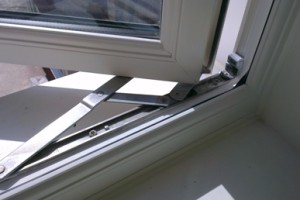
Another option is to install a cat flap that could be mounted in glass or a uPVC panel for your home's exterior. These can be the ideal way to restrict your cat's access to specific rooms, especially if you have other pets or are concerned about the possibility of cat aggression.
A cat flap with a glazed finish is a good choice than one mounted in the wall of your home, as it can be installed without drilling holes. It is recommended to speak with a glazier prior to installing a cat flap in your home. This will ensure the installation is done correctly and that there aren't any holes that could lead to damp.
A glazed flap could be a great option if you own small dogs. It is not as wide as a standard cat flap, therefore it is able to be put on your dog's current collar. Moreover, it provides a good seal against the elements and can be easily reopened when needed.
Easy to train
It's possible to think that teaching your cat to use a wall-to-wall cat flap is a difficult however, it's actually quite simple. Simply open the door a little at first and then encourage your cat to go through it with treats or toys. Keep doing this until your cat is accustomed to moving through the flap and doing so without reluctance or hesitation. Make positive reinforcements to make your pet feel good about the move.
Some cats are reluctant to use a cat flap because they fear being snagged by the door or another object. If this is the case, try to trim your cat's claws before trying to teach it to use the flap. This will stop the cat from snagging and will make the process of learning simpler.
Place the flap in the direction that your cat is most comfortable with. This will allow them to feel more comfortable. This will ensure that your cat feels more comfortable when using the flap, which can make a big difference to how quickly they learn to use it.
Once your cat has started to use the flap for cat access, it can be helpful to lock it in order to determine when they are allowed to enter and out. This can help to reduce the stress levels of your cat and is especially useful when you're away from home for extended durations of time. You can also program the flap to open and close at specific times, which can be beneficial for families with a busy schedule.
There are many kinds of cat flaps for through-walls available. Some are magnetic and operate by using magnets that are attached to your cat's collar to unlock the door. Others are based on infrared technology or radio frequency identification (RFID) and are designed to read your cat's microchip. These are the most advanced options that offer a greater security. They're great for homes where there are many cats. They are also simple to install, and can be controlled remotely.